About the village
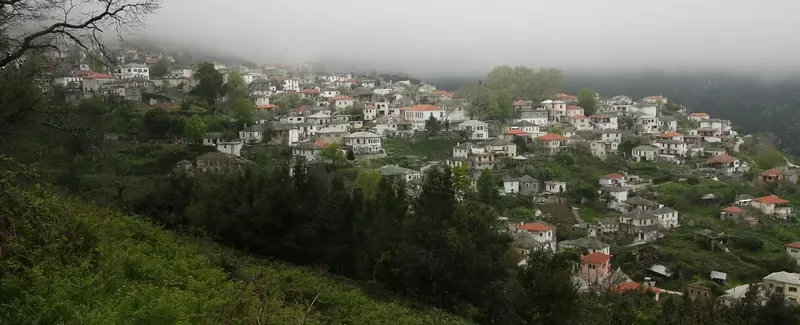
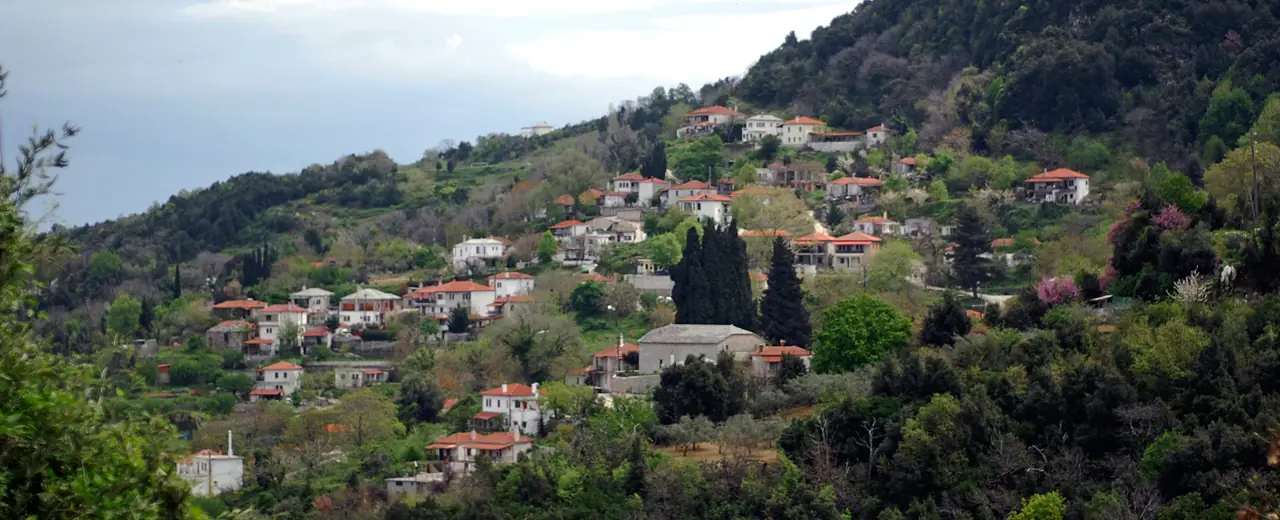
Veneto is a scenic mountain village, in the northeast side of Pelion, close to Keramidi, drowned in lush vegetation with oak, plane, chestnut and walnut trees. The village area is large and in contrast with Keramidi, the building scheme is loose with its houses and neighborhoods spread along the mountain.
The village history seems to be old, as various findings show us, dating back to the prechristianic years. The peasants of the great monastery Flamouriou that exists until today built the latest village during the years of the Ottoman occupation. Over the years, a series of terrible and unfortunate events with latest being the deadly consequences of World War II and some extended rockslides during the late 1950’s halted the villages growth and evicted the few residents. Most of them settled in the Agia Paraskevi neighborhood of Volos, however over the last years some of them have begun returning back giving life to the village.
Worth visiting is the main church of “Presentation of Jesus at the Temple /Candlemas” built in 1767, with its beautiful woodcarved temple that is celebrated on February 2 with a fair in the village. Very interesting also is the Flamouriou Monastery that is located in the outskirts of the village and one can go there either through paths or from the road that connects Kato Kerasia with Ano Kerasia and end in the area of “Stavros”
From the village access to a organized beach, is not an easy task, for the not so demanding, there’s Koulouri, a small rocky beach and clear waters, southeast of Koulouri, Limnionas and Petromelliso which is the most popular featuring crystal waters surrounded by lush vegetation.
Between Koulouri and Limnionas are the sea caves for which Veneto is famous for and can be accessed by boat. In this area were the ancient “Ipnoi” that according to Herodotus a large part of Xerxe’s fleet was destroyed in 480 b.c. The largest and most famous cave is the “Bishop’s cave” which can fit a whole boat inside. It was named after being visited frequently by Dimitriados Bishop Grigorios.