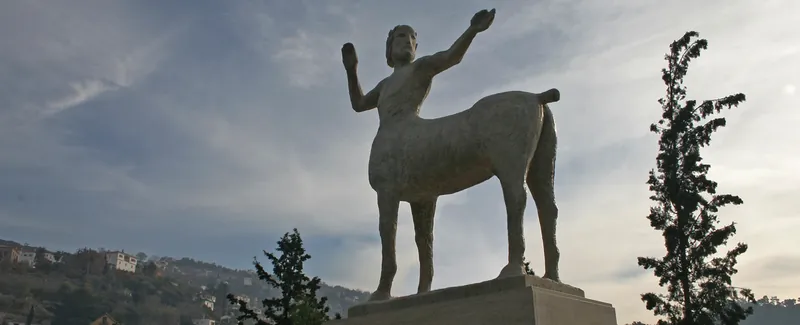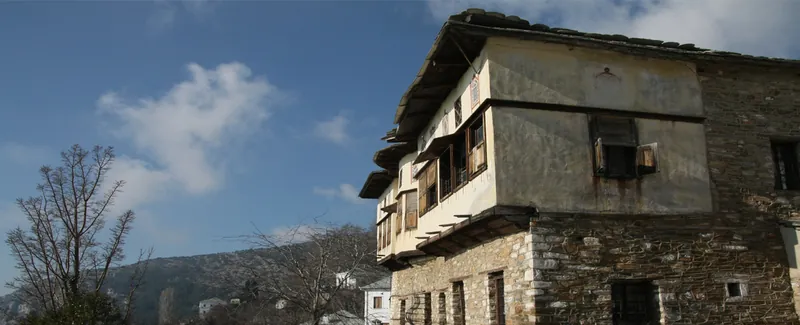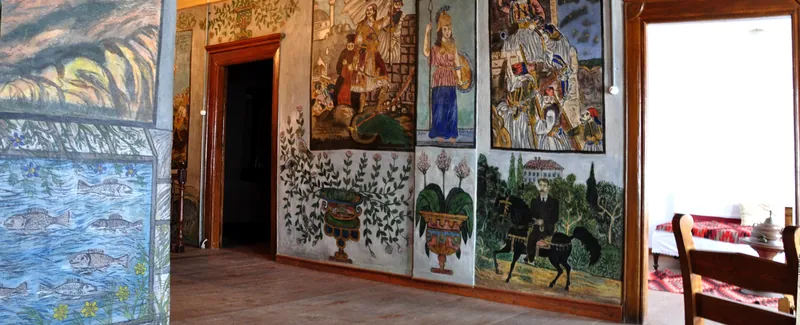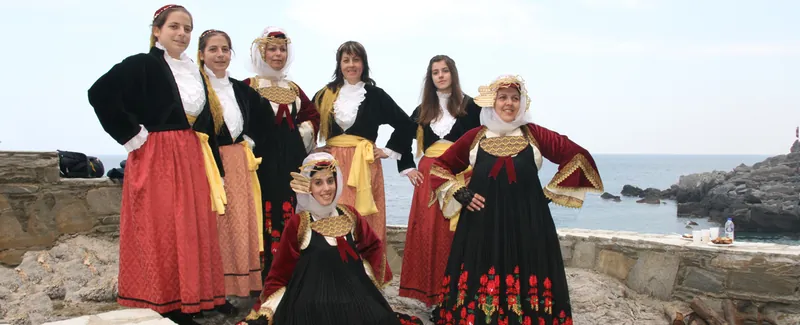
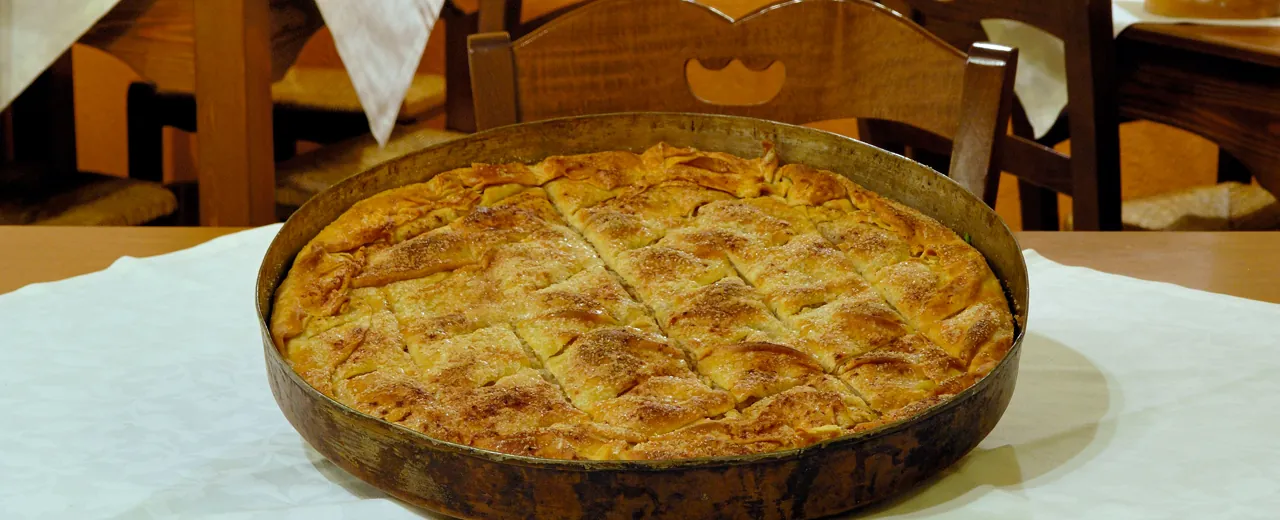
Pelion has kept not only its customs and traditions but also its flavours and smells. Its cuisine is something special, with so many tasty dishes that the mountain of the Centaurs fully deserves the name "gastronomic paradise".
There is a huge choice of local food: you can try anything from a hot fasolada (bean soup) and a spicy spetsofai to unusual, healthy salads such as tsitsiravla, seafood meze mainly in the seaside villages, and local fruit and sweets. Above all, though, there is the excellent olive oil from the countless olive groves of the area, used to cook almost every dish.
Traditional Pelion dishes
In the small, picturesque tavernas of the Pelion villages you will find traditional dishes like these:
Fasolada. Don't leave Pelion before you have had a hot fasolada, the classic winter dish served in almost every traditional taverna. It is made with beans, vegetables such as leeks, carrots, celery and onions, tomato and pure virgin olive oil. What makes it different from other bean soups are the hot peppers the locals add, which give it a special, spicy taste. Sometimes sliced sausage goes in too, making it even tastier.
Spetsofai. Another traditional Pelion dish you will find almost everywhere. It is fairly easy to make, but it has a few small secrets. It is made with green peppers and local Pelion sausage, its main ingredient, slowly cooked in tomato sauce. Some cooks also add hot red peppers for a spicier taste. The secret: the sausage is ready when no more juice comes out when you prick it. It is perfect for cold winter days, as it gives energy to whoever eats it, but it is also an ideal summer meze with tsipouro.
Sausage has its own story here, especially in Stagiates, a village famous for its delicious traditional sausages. The village even holds a sausage festival, where visitors can see the old way it is made.
Other traditional Pelion dishes, made with pure ingredients from the mountain and cooked with care by the locals, are:
- Bubari, intestine stuffed with offal, minced meat and rice.
- Kokoras krasatos, rooster cooked in wine.
- Pork with quince or prunes.
- Kolokithokorfades, courgette flowers stuffed with rice and minced meat.
- Riganokeftedes, potato fritters with fresh wild oregano.
- Kritama (rock samphire), a plant that grows on the rocks by the sea all along the coast of East Pelion. It is pickled in vinegar and gives flavour to salads.
- Fteres (ferns), one of the most common plants in Pelion, which locals use to make fritters and salads.
- Tsitsiravla, the tender shoots of the terebinth (wild pistachio), picked in spring. They are blanched in a pot with a little water and served with oil, vinegar and garlic. You can eat them fresh if you visit in spring, or preserved in brine all year round, and they are the best meze for tsipouro.
Seafood meze
The seafood of the area is also very famous, and you can enjoy it in the countless fish tavernas, mainly in the seaside villages. Pick the fish you like from a wide choice of fresh fish, try shellfish and molluscs, and have it all with a small 200 ml bottle of tsipouro, the most typical drink of Pelion.
Pelion also has the tradition of the fish night, held mainly in the seaside villages, where plenty of fresh fish is offered to everyone who comes along.
Local drinks
Pelion cuisine is not only about traditional dishes. It is completed in the best way by two well-known drinks made by the people of the mountain: wine and tsipouro.
Wine. It is made from local red grapes, which are pressed to get the must. Local wine comes with almost every traditional meze in the tavernas, and you can also buy it in small shops in the villages to take home.
Tsipouro. It is distilled from the pomace, locally called "tsabouro", meaning what is left of the grapes after pressing and taking out the must. Anise is often added during distillation for aroma, and for better quality it is often distilled a second time. Tsipouro goes mainly with seafood meze and is sold in many local shops.
Katichori holds a tsipouro festival, where visitors can see up close how the pomace is boiled in the copper stills and how tsipouro is distilled.
Fruit
Pelion produces large amounts of very tasty fruit, such as apples, pears, cherries, chestnuts, grapes, oranges, peaches and much more. Much of it is grown by the locals themselves with great care and very few chemicals, and you will find it at stalls and shops in the villages.
Firiki, the fruit the mountain is famous for, are small apples with a special scent and sweet taste. They are an EU Protected Designation of Origin (PDO) product under the name "Mila Firikia Piliou" (Pelion firiki apples). Apple growing is one of the main jobs of the people of Zagora, which is why the village is famous for its apples and firiki; the "Zagorin" brand of the local farmers' co-operative is known not only in Greece but abroad too.
Pelion chestnuts are also well known for their good quality and large size. Chestnut trees need less work than other crops, which is why many farmers on the mountain grow them.
How much the people of Pelion love their fruit also shows in the festivals they hold in its honour. The dates change from year to year, so ask in the village before you go:
- The cherry festival in Agios Lavrentios, in June.
- The pear festival in Milies, in late August.
- The apple festival in Zagora, in early September.
- The chestnut festival in Xorychti, in late October.
Women's farming co-operatives
In many Pelion villages, women have set up farming co-operatives over the years that make and sell products of special quality. Using old recipes and their grandmothers' secrets, they make traditional products with pure ingredients from the mountain and no preservatives. In their shops and stalls you can buy glyka tou koutaliou ("spoon sweets", fruit preserves) and jams made from fresh fruit such as cherry, fig, apple, lemon, bitter orange and more, cooked with sugar and water. They are the perfect dessert after a good meal.
In Anilio there is the women's co-operative "Ta Aniliotika", where you can buy traditional spoon sweets, pure jams and fruit liqueurs. At the women's co-operative of Portaria, besides spoon sweets and jams, you will find pasta such as hilopites and trahanas, and various drinks. Finally, the Women's Agritourism Co-operative of Zagora sells spoon sweets and tray sweets, jams, fruit liqueurs, flavoured oil and vinegar, and pickled tsitsiravla.
Pelion in 6 chapters
Know what you are looking at: history, nature, architecture, food, arts and customs.