About the village
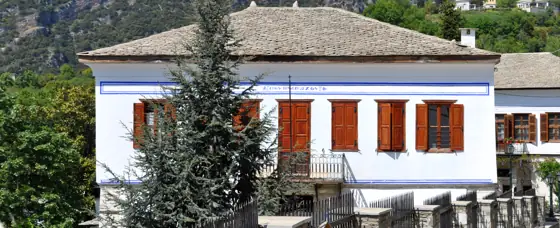
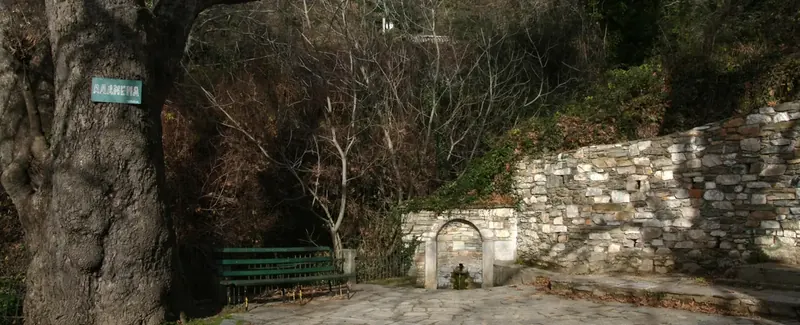
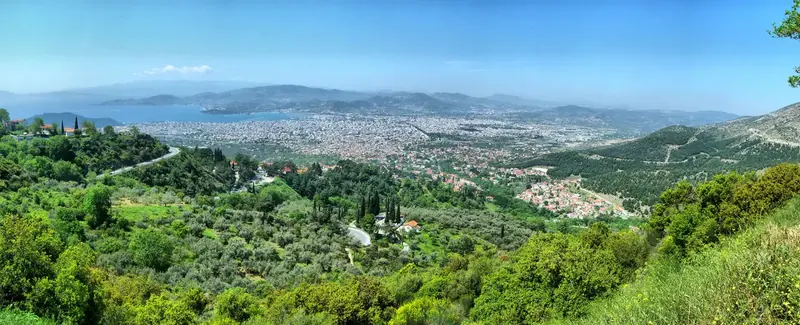
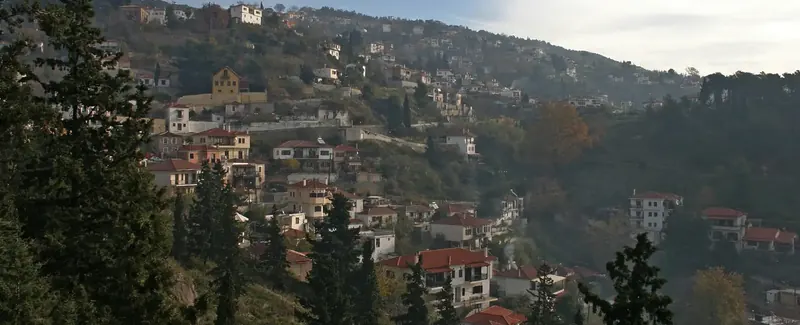
Katichori is a small mountain village of west Pelion, very close to Portaria with wonderful scenery and lush vegetation made of platanus and fruit trees making it ideal for nature walks. It retains its traditional character with houses and mansions of the well-known Pelion architecture and old churches. The fact that it is built near a ravine provides the area with a breeze and abundant springs.
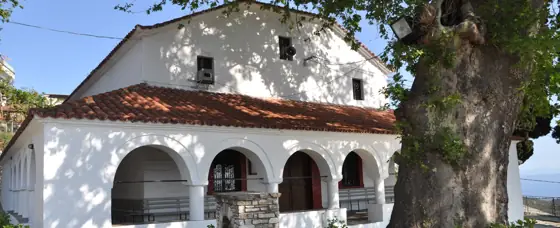
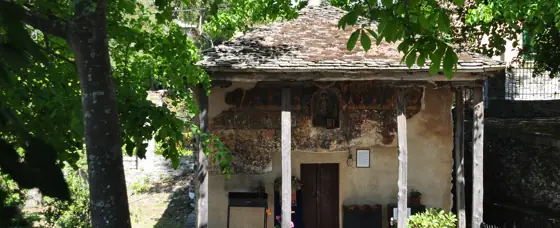
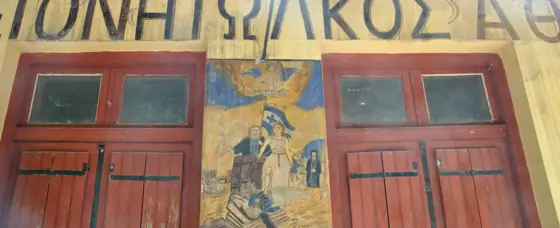
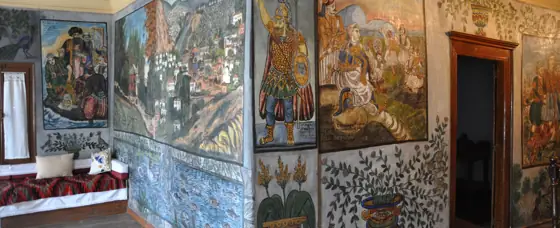
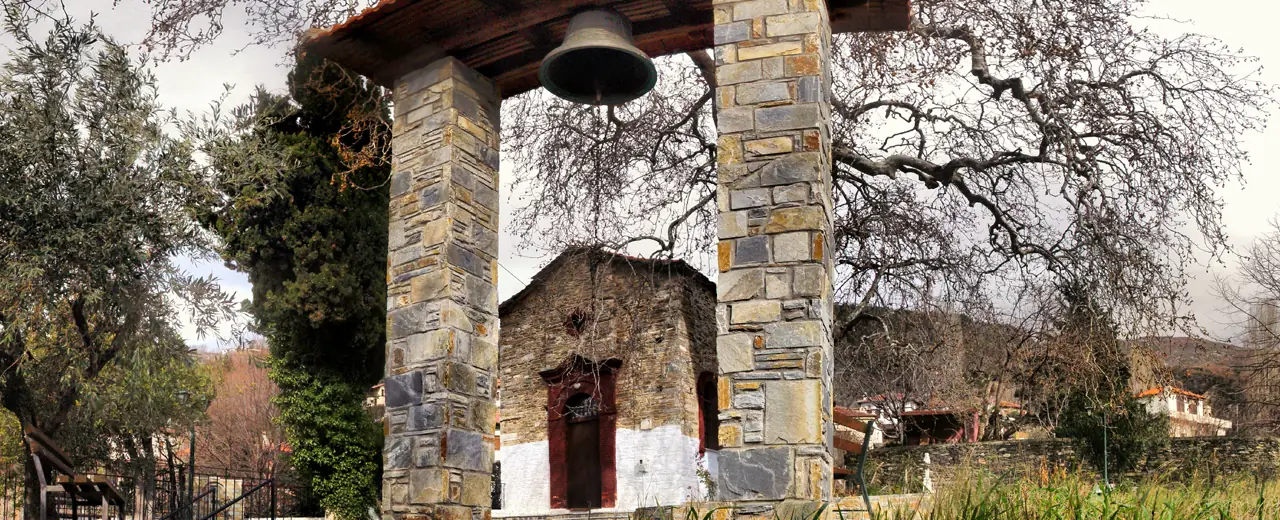
Katichori is well known for its glorious past, as it was during the Ottoman Empire a trade and cultural center, while for the name origin, little is known. The village is full of religious monuments, which you can visit during your walks. You will have the opportunity to see great architectural buildings with stunning interior and travel back in time. Among these monuments, are the village’s four major churches, Agia Paraskevi, Agios Athanassios, Panagia (Virgin Mary) and Agioi Apostoloi (St. Apostles) and also scattered chapels remnants of Byzantine monasteries such as Agios Georgios, Agia Marina, Profitis Ilias, Agios Nickolaos, Agia Triada (Holy Trinity) and Panagia Megalogenous. The sites are equally picturesque and ideal for further wandering.
Various festivals are organized in Katichori mostly to celebrate the saints, such as the festival of Agioi Apostoloi, which are also the patron saints of the village, in late June and that of Agia Paraskeuvi on the 26th of July. However the cultural event, which the village is famous for, is the tsipouro festival held every summer during which, a representation of how tsipouro is made, takes place. Locals reenact the way its distilled in the special tanks, boiling the tsampoura and thus producing tsipouro, which is then given to the visitors, all of this accompanied with traditional music, dances and songs.
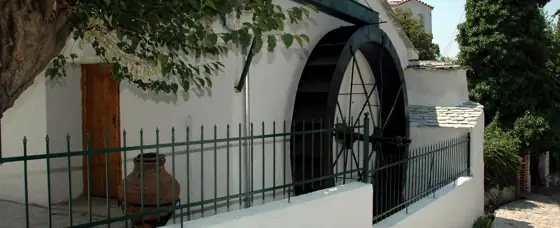
If you are in Katichori, a must-do visit is at the traditional olive press “Hatzigiannis” and the exhibition of agricultural business and tradition next to it, at the stone mansion of Hatzigianni family. The traditional olive-oil press operates as an olive museum and includes machinery used in the 19th century for the complex process of oil production. The showroom, on its other side features a museum with exhibits, relics and images through of which the visitor learns about the local agricultural economy, history and also on the production of the two renowned local products, wine and tsipouro.
Since we mentioned these two traditional products, wine and tsipouro, do not leave without tasting them at a local tavern or buying them, from a local producer. Locals here know well the secrets of these products as they been making them for years.