About the village
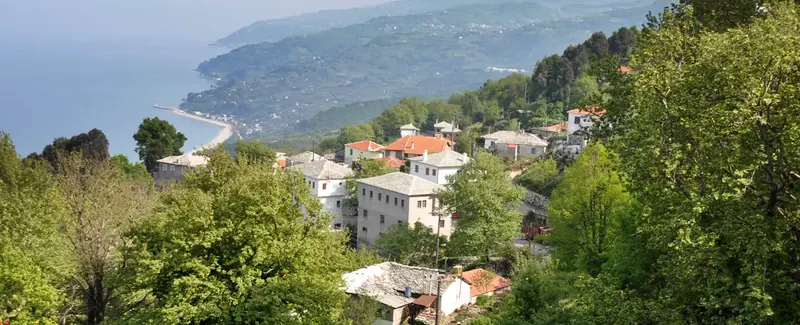
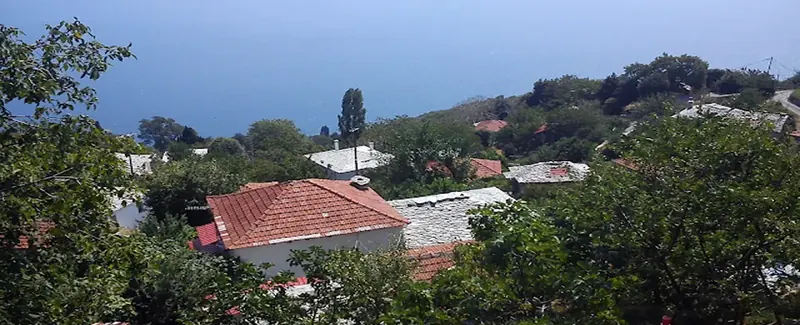
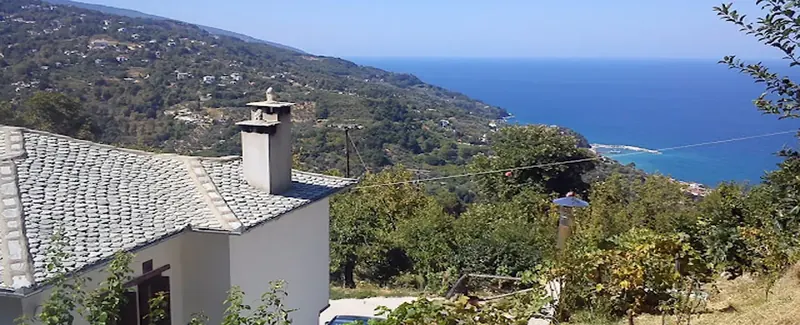
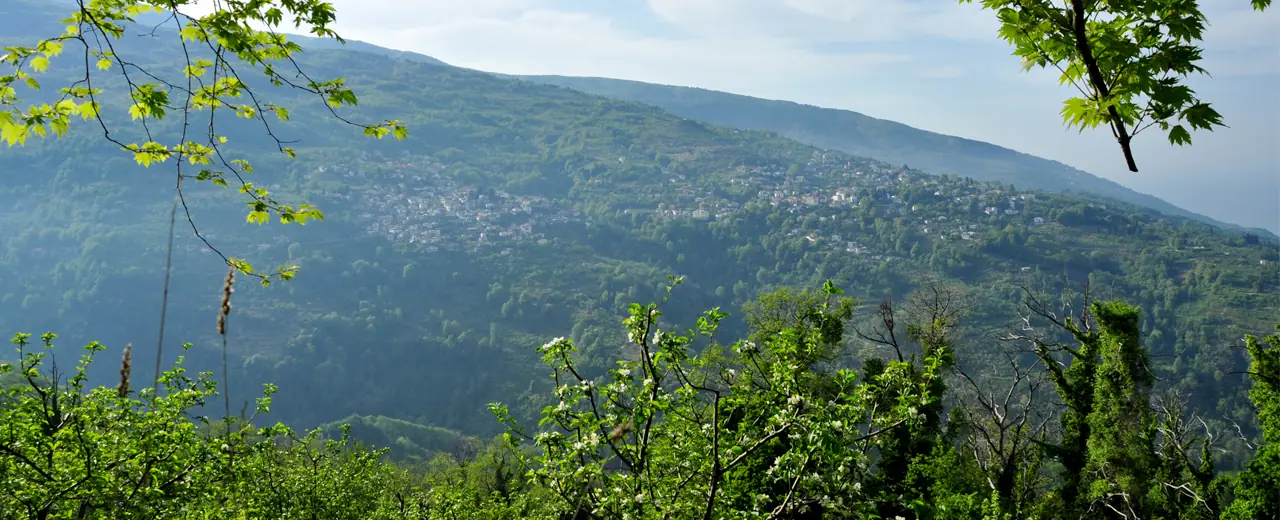
The beautiful Zagora, the biggest in population village of Pelion, is a mountainous region, with rich cultural heritage located in the verdant east slopes of Pelion and has views towards the Aegean Sea.What makes it special, is the fact that the village is divided in 4 neighborhoods: Perachora, Agia Kiriaki, Agios Georgios and Metamorphosi, each of which has its own distinctive characteristics.
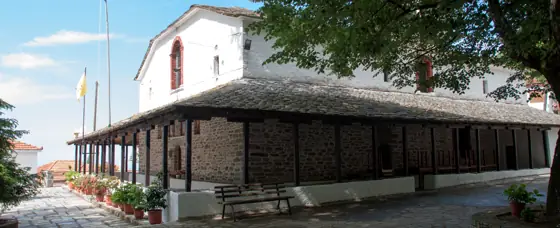
Its history begins on the 12th century, however several findings and ruins that came to light, made known that ancient settlements existed dating back to the Homeric Ages. The monastery of Metamorfoseos Tou Sotiros founded in 1160 AC was the core of todays village. During the 17th and 18th century, the village had great trade and cultural growth, as displayed by the many mansions that exist. In Zagora, many important people of science and literature were born like the historian Giannis Kordatos while its significance, as a trade center is renowned with the famous ships from Zagora that travelled up to the Far East.
Two different versions exist regarding the name origin. According to the first, it derives from the Slavic “Zagora” that means "behind the mountain" and probably due to that fact all villages behind the mountain used to be called “Villages of Zagora”. The second version notes that the name derives from Zo’a (animals) + Agora (market) from an old animal market fair that was held in the village.
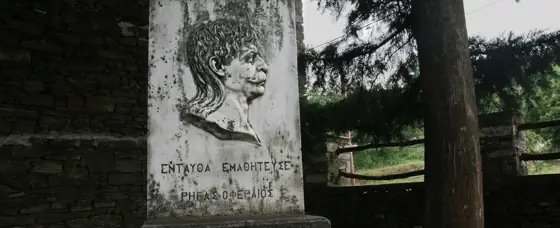
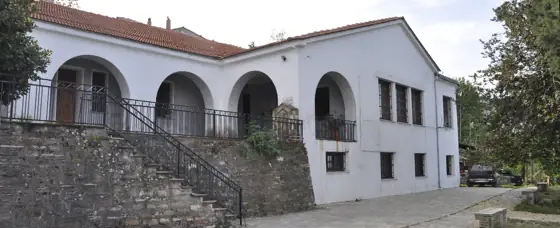
If you happen to be in Zagora, don’t miss visiting the School Of Rigas Feraios (1777), the oldest school in Pelion where the famous revolutionary Feraios attended and later was renamed “Greek Museum”. The school was founded by Zagora’s Patriarch Callinicus, and had attendees many other intellectuals such as Anthimos Gazis, Grigorios Konstantas, Callinicus Lapatis and many more. You will be impressed by the well-preserved interior and exterior.
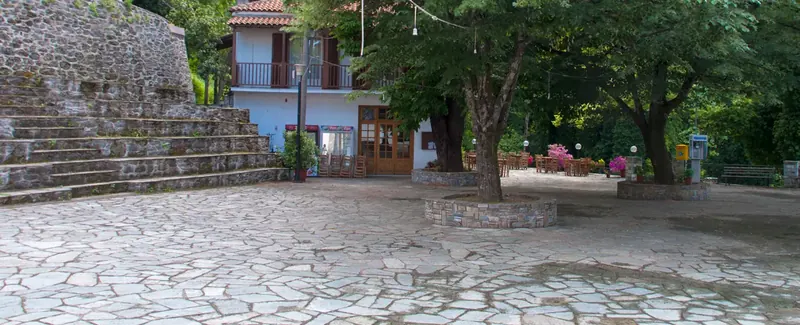
In the central square, is the Zagora Public Library that features rich and rare documents of about 25.000 titles. Its founding was in 1762 with the first books coming from Amsterdam by the Greek immigrant Ioannis Prigkos. If you visit it, you will discover valuable book collections, rare manuscripts and codes. It’s a lending library and also has a reading room.
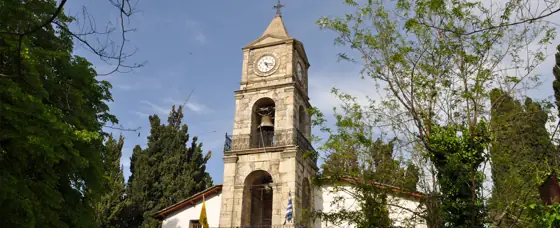
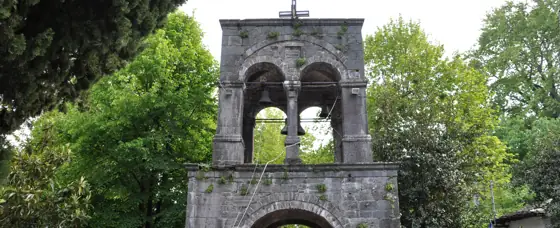
The village has many churches waiting to be discovered. The church of Agia Paraskevi built in 1803 in the ruins of an older church, Agios Georgios built around 1762 and 1792 with the initiative of Patriarch Kallinikos III, next to the square of the homonymous neighborhood, the church Metamorphosis or Sotiras that has a great history and the impressive church of Agia Kiriaki.
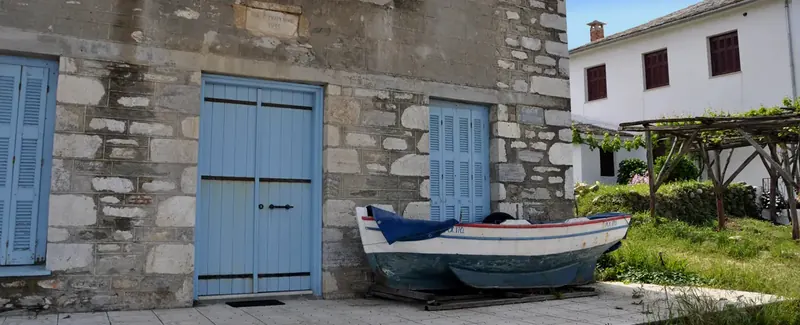
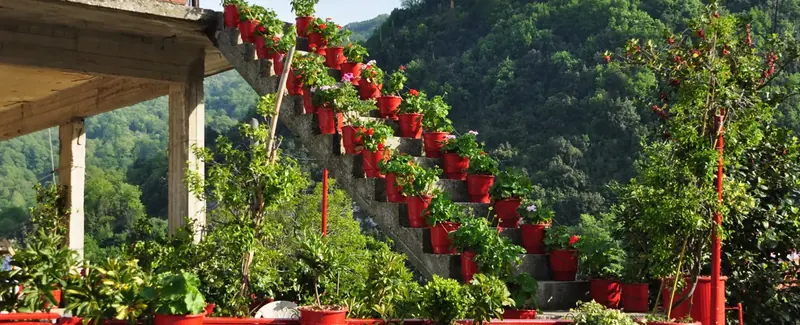
Walking in the village you will discover houses built with the traditional architecture, mansions that display the glorious past and many marble fountains that will amaze you with their craftsmanship. Since Pelion people are flower lovers, Zagora could not be an exception. The gardenias, the hydrangeas and other flowers that adorn the houses of the villagers will impress you.
What you should definitely try in Zagora is its apples and firikia (small apples), the famous “Zagorin” of the Zagora Association that their appeal reaches the overseas markets. Also, at the beginning of September, the “Apple Festival” is organized, a fair with lots of music and dishes.Do not miss buying some of the local traditional sweets that are of an exceptional quality.
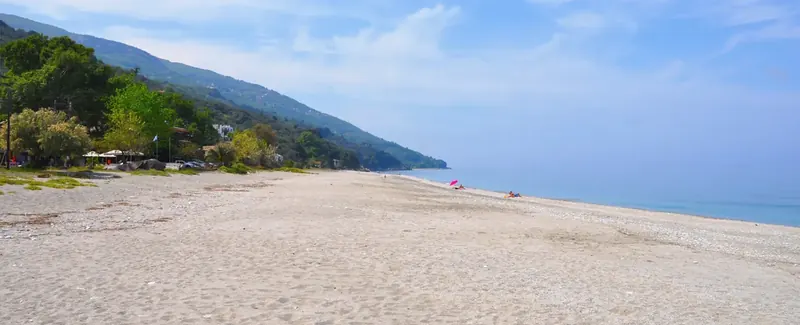
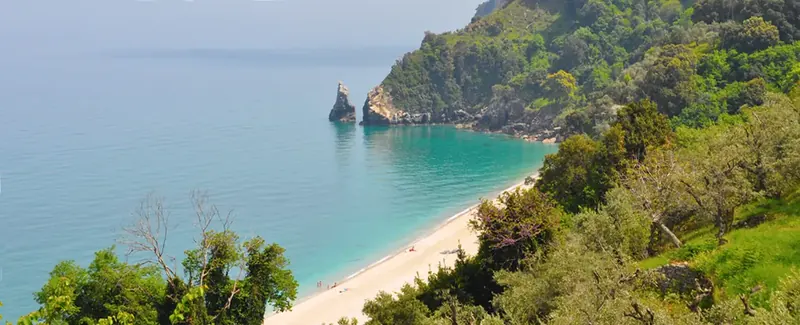
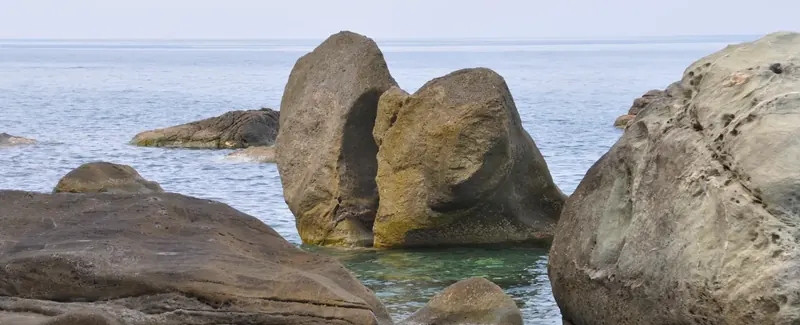
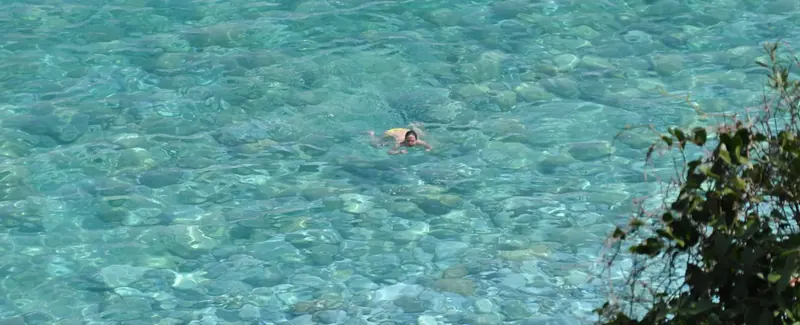
Zagora combines mountain and sea, that’s why it is indicated for visit any time of the year. During wintertime, you can visit the Agrioleukes Ski Center located 20km away, while for summer, head to Horefto, the port village of Zagora with its exquisite beach and also the beach of Agioi Saranta.