About the village
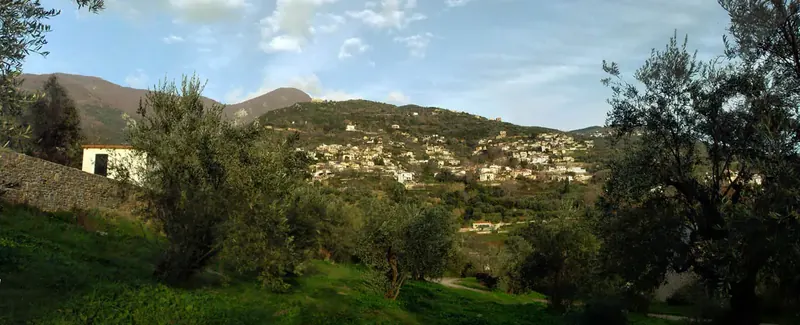
Ano (Upper) Lechonia is the head of the Artemidos municipality and Kato Lechonia is its port. Their exact build date is unknown but historic references state the 13th century. However, in the hill of Nevestiki, just outside of Ano Lechonia are the ruins of an acropolis from the ancient city of Methoni.
Many theories exist for the name origin, however they do not have a proper theory basis. Historian G.Kordatos, notes that the name is not Greek but derives from the Slavic toponym Lech meaning “lowland” and is supported by the fact is that Lechonia are built on a valley. Others support the version that it is named after the city of Methoni that within ages turned into Lechoni and Lechonia. Today, however many believe it comes from the word “new mother” (greek:Lechona) and the meaning behind it is that the village provides for it's people its goods from the land, as a new mother ("lechona" in Greek) nurtures her child.
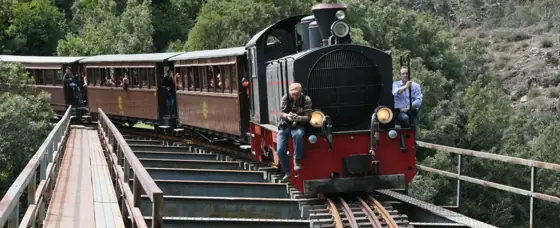
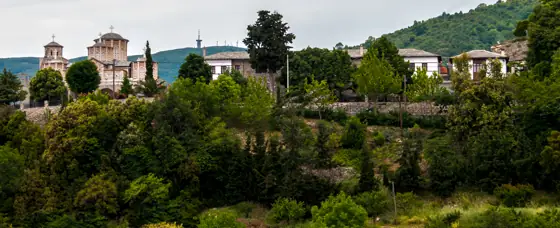
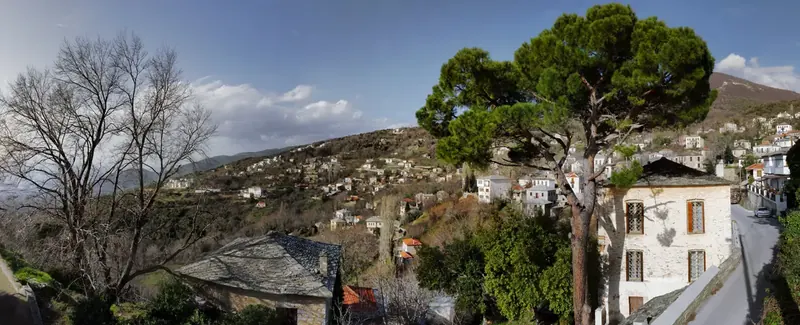
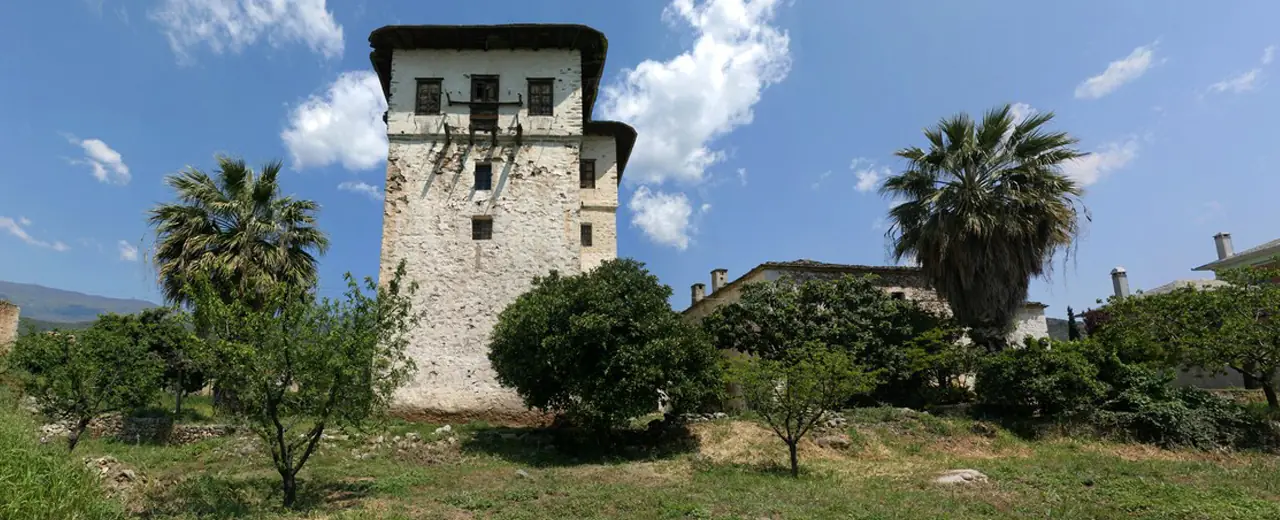
During your stay in these two villages, be sure to spend enough time to visit the many attractions. In Ano Lechonia go for a walk by the chateaus of Kokosli and Olympiou, standing there proudly from the Ottoman period. Indeed, the first of them housed during the past, the first silk factory of the area, The Koskolis old silk house that is near the chateau. Equally wonderful is the neoclassical mansion Xatzikiriazi-Kassiopoulou, of 1900. Continuing your walk make a stop by the railroad station “Jason” from where the famous little train of Pelion started and ended its trip in Milies. Near the station is the fountain of Konstantinos Mourogiannis, build in 1906 that will impress you with the lion head and its inscriptions.
Ano Lechonia are widely known to the fans of the paranormal, as here is the Kontou mansion, known as “The haunted mansion”. The wealthy family Kontos built the mansion in 1900. A tragedy occurred when the sons of the family died on the same day from intoxication probably from a gecko falling into their milk. The mourning family left the mansion. Since then, many unfortunate events took place making many to believe that the place was haunted. Today in Volos cemetery is the family tomb, along with legend of the intoxicating gecko.
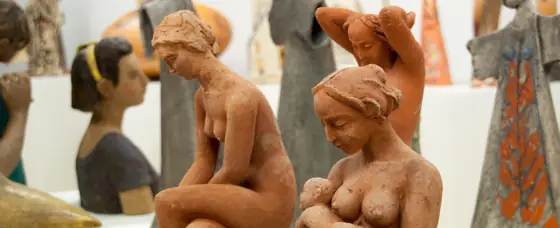
Of special interest, is the ceramic pottery museum of the Anetopoulos family, where you will discover the family casts and a great collection of folk pottery that family members have gathered over the years.
On your way to Kato (Lower) Lechonia, you will see the Vrichonas Bridge that links the two riverbanks. Its construction begun in 1916 and finished in 1917 by Panos Kaperonis, however, the fact that makes it special is that it’s the first concrete bridge built in Greece.
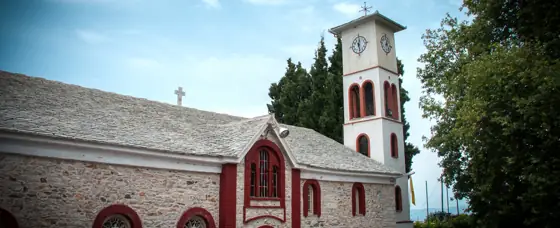
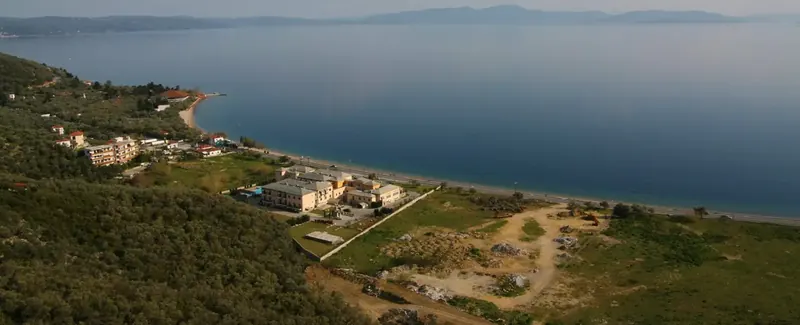
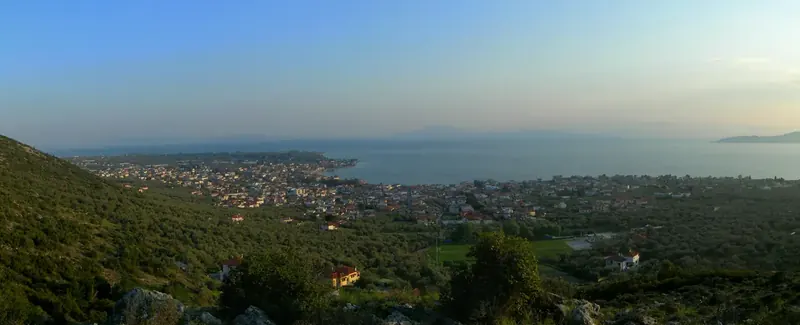
In Kato Lechonia, enjoy long walks in the beautiful beach and in the Agios Minas settlement. Also, visit the church of Agios Georgios (St.George) build in 1917 by Dimitris Papadopoulos, with a self-donation of 8.000 golden pounds for its construction.
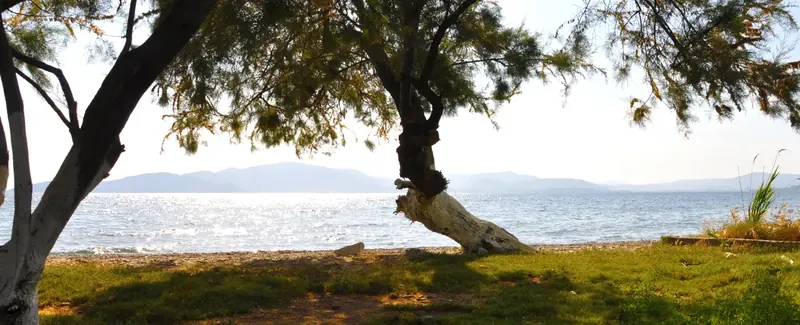
In close distance, is the “Chatzivagelli coast” a scenic beach, where you can enjoy seafood by the sea. Also, follow the path Kato Lechonia-Karnagio alongside the riverbed of Vrichonas that ends in the famous beach of Karnagio, continuing your coastal walks you can head to the other famous sea settlement of Platanidia, the area's summer favorite destination with lovely clean beaches and taverns along them. It is an ideal place for resting and swimming in the settlement's beach or in the beach of Agios Minas.Near Platanidia, ruins of old Christian temples were found.
No matter how tired you are from your tour, if you happen to be in the village in the beginning of July, do not miss participating in “The Lechonitika”, a series of cultural events with lots of music and dancing.