About the village
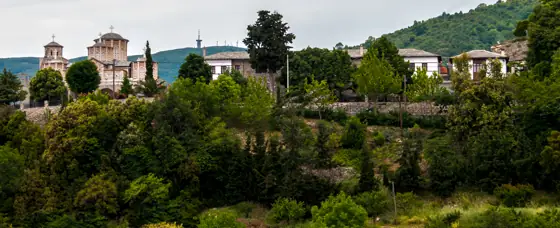
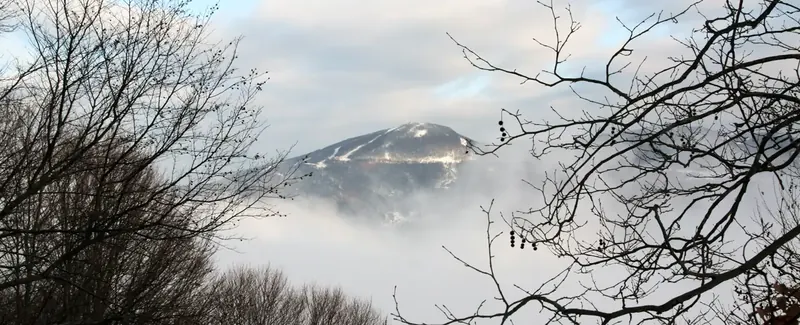
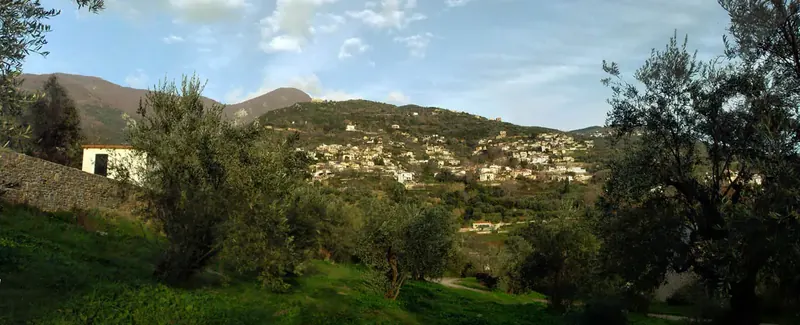
If you seek for quite and peaceful vacations, Drakia is the ideal destination for you. It’s a village in central Pelion, only 18km away from the capital of Magnesia, Volos, aside from others and invisible from the sea, with lush and verdant vegetation that add natural beauty (many chestnut, walnut, plane and fruit trees). It is close to many other Pelion villages such as Alli Meria, Katichori, Agios Laurentios and Lechonia and has low tourism development.
Its foundation dates somewhere between the mid 15th century and the early 16th as we conclude by studying the monastery codes from what is preserved today, its founders where craftsmen from Epirus, (mostly builders). They spread their craftsmanship to other settlers and as a result the village became famous for its well skilled craftsmen. Many special moments are associated with its history, as it was one of the villages that offered a lot to the organization for the uprising against the Ottoman occupation and suffered greatly during the Nazi invasion. It has been declared as one of the martyr villages of Greece after the execution of 118 villagers on December 18, 1943 by the Nazi forces. To commemorate this tragic event, a cenotaph memorial has been erected honoring the names of all the patriots who lost their lives.
A lot of versions exist regarding the name origin. Tradition says that in the village lived a dragon (Greek: drakos), and from there originates the name. Also, the first community council decided the community stamp to have a dragon, adopting this version. Others say that the name comes from the first villager whose name was Drakos and so the village was named after him and another version claims that the name derives from the word draks-draka, which means handful. If you wonder what this version has to do with the village, here’s the answer: the village is located in a cavity and looks like being built in a handful. Finally, the fourth version supports that due to the fact that the village is a passage from the east to the west side of Pelion, the chech word “draga” was adapted which means "passage".
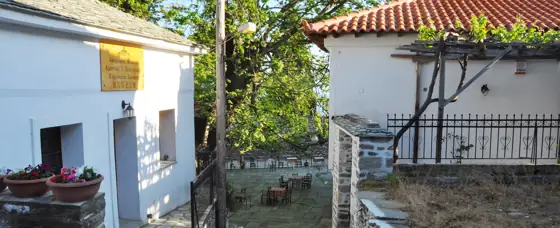
The village of Drakia has one of the oldest schools in Pelion, dating back to the Ottoman Empire. It features one of the best libraries in which old editions of ancient writers, teaching manuals and other documents are held. Scholars from Drakia such as Chatziapostolos and Apostolides donated these books. Also in the architectural field, Drakia showcases traditional houses, towers, fountains and charming cobbled paths, "kalderimi" as the locals call them. Many old mansions exist such as the Triantafillou, which has a remarkable interior and hosts the Drakias folklore museum of rural and cultural heritage.
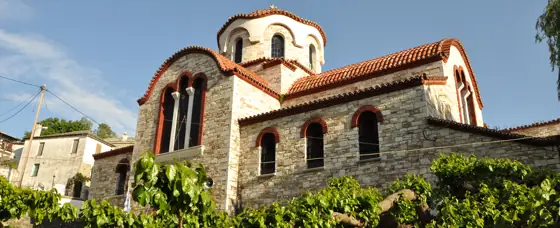
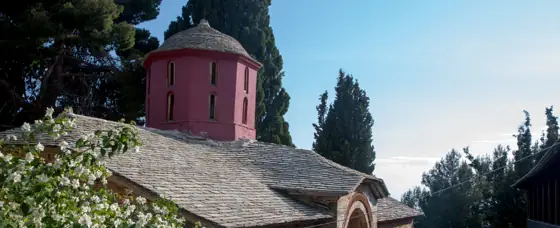
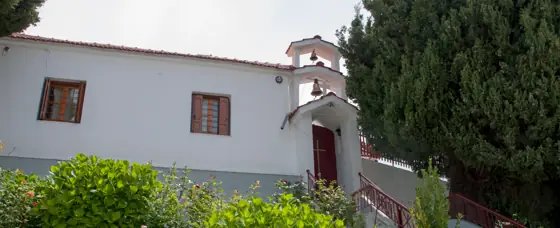
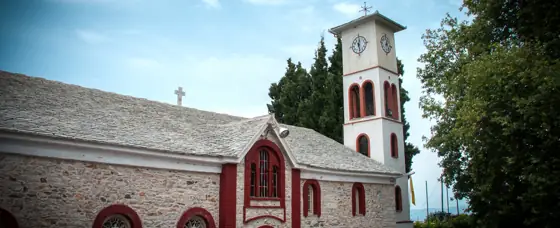
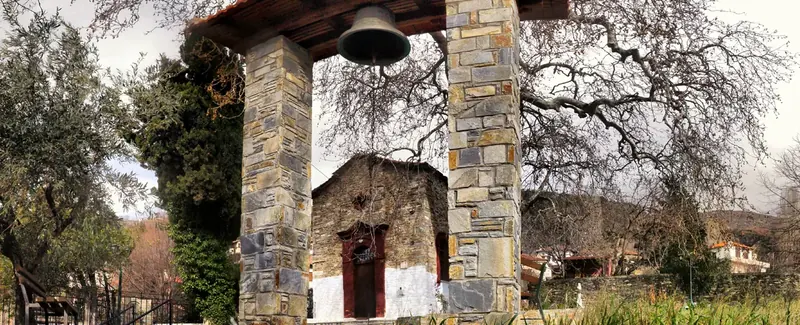
Of course, many churches exist in the area, worth visiting as well, the church of Agiou Nikolaou (St.Nicholas) located in the village entrance, the church of Agios Athanasios, the chapel of Agios Georgios (St.George) with paintings by Pagonis and the chapel of Agios Spiridonas. One of the most known religious monuments is the new church of Stavrou (Holy Cross) located in the area of Anemoutsa featuring a great painted wooden iconostasis.
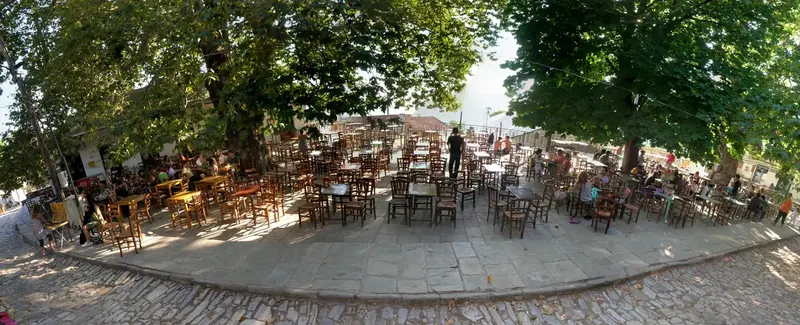
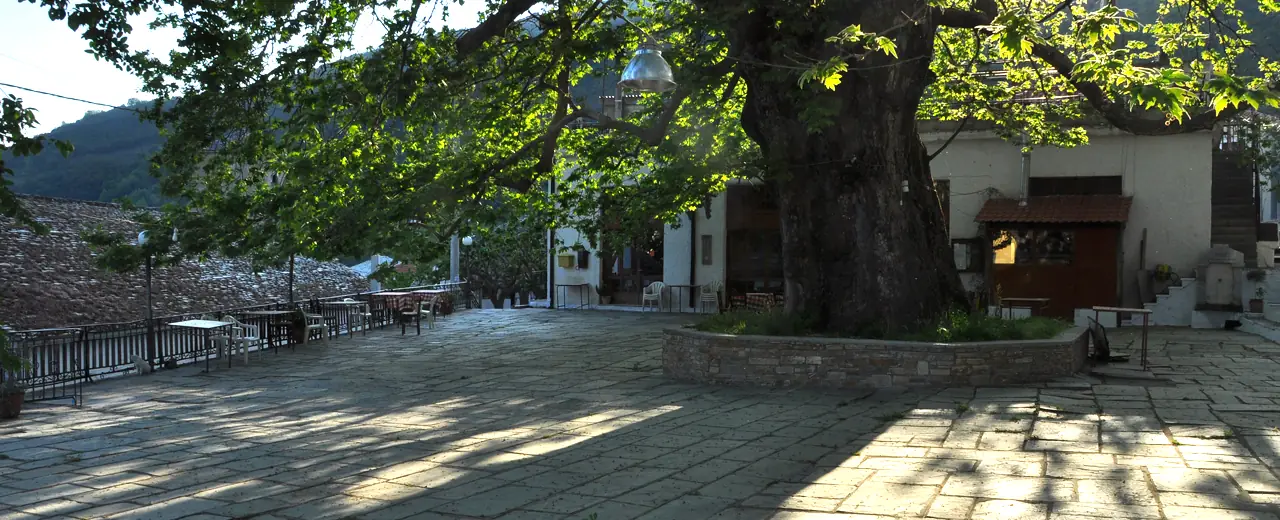
A walk on the villages two squares is necessary since they’re among the oldest squares in Pelion, wandering through the scenic paths of the village is a must for the lovers of walking while for the lovers of photography the old mansions, fine examples of the Pelion architecture, complete the picture.