About the village
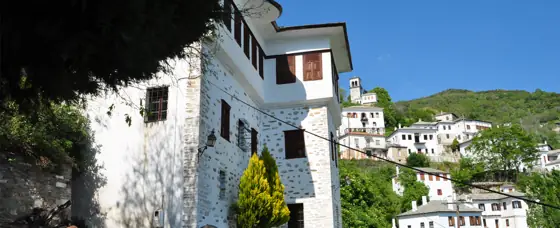
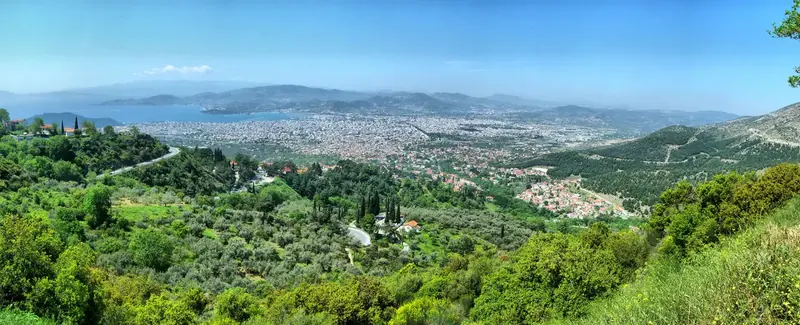
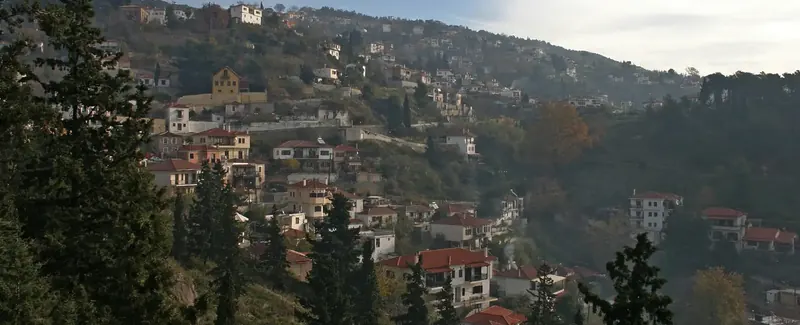
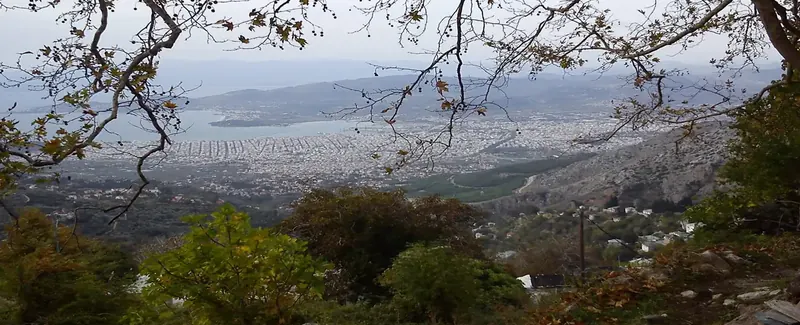
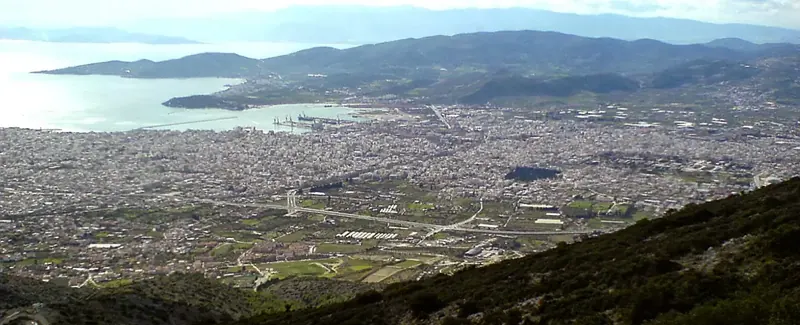
Makrinitsa is one of the most popular destinations in Pelion and not by mistake. The lush vegetation, the preservation of traditional Pelion architecture, the panoramic view towards Pagasetic gulf and Volos and the many sights, explain its popularity. Incrementally built on a steep west slope of Pelion between Mega Rema stream and the Sarakinos mountain, its houses seem like hanging from the mountain, this traditional village is very close to the city of Volos, only 17km away.
It has a glorious past, with rich history. Beginning in the early 13th century, specifically in 1204 as mentioned by the sign in the village entrance, as the village was organized around the monastery of Theotokos of Okseia Episkepseos. On the 18th and 19th century it had a period of great growth in many areas and was one of the first villages to rise for the fight of independence in 1821 and on the revolution of Thessaly in 1878.
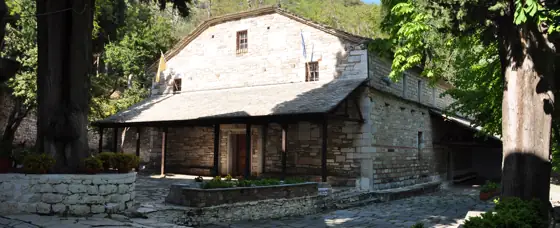
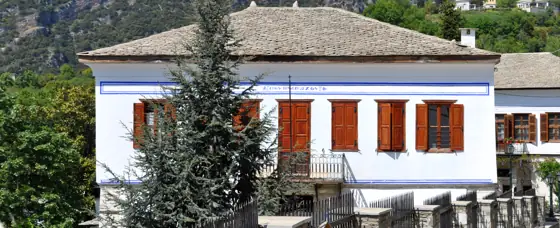
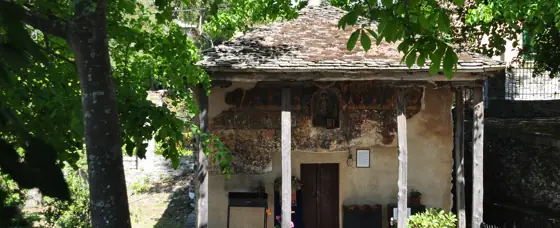
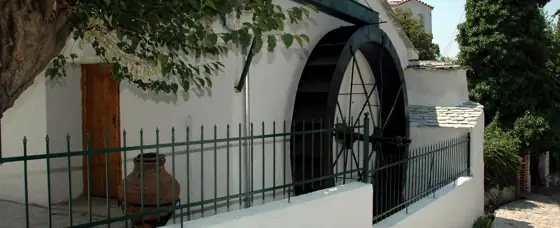
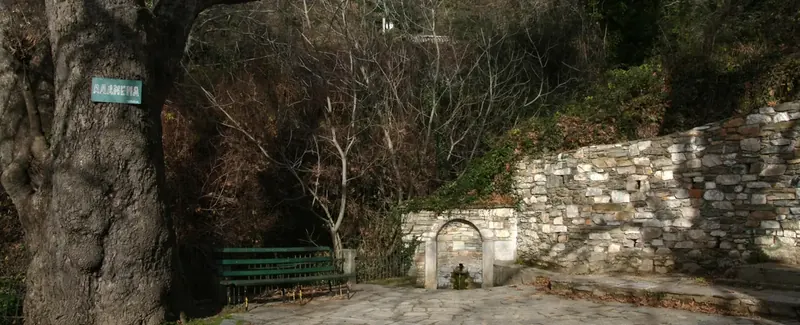
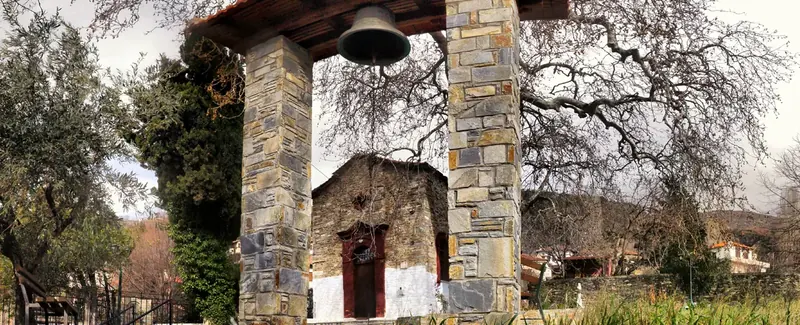
From 1980 has been declared as a preserved village, in the first zone of absolute protection along with Vizitsa and Pinakates. The traditional architecture is seen everywhere as all buildings maintain their traditional local colors. Visit the churches and admire the well preserved and renovated mansions (many of which operate as guesthouses) and the three floor stone towers, discover mystical cobbled streets, get refreshed in one of the many fountains that are scattered (around 50) and walk through the bridges in Lestiani, Lozniko, Alevizi and Kakouna.
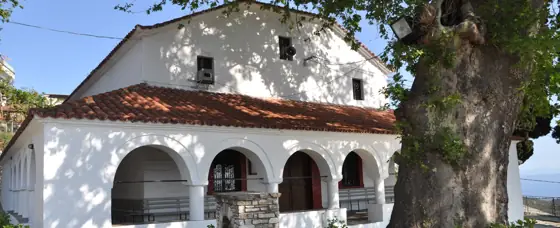
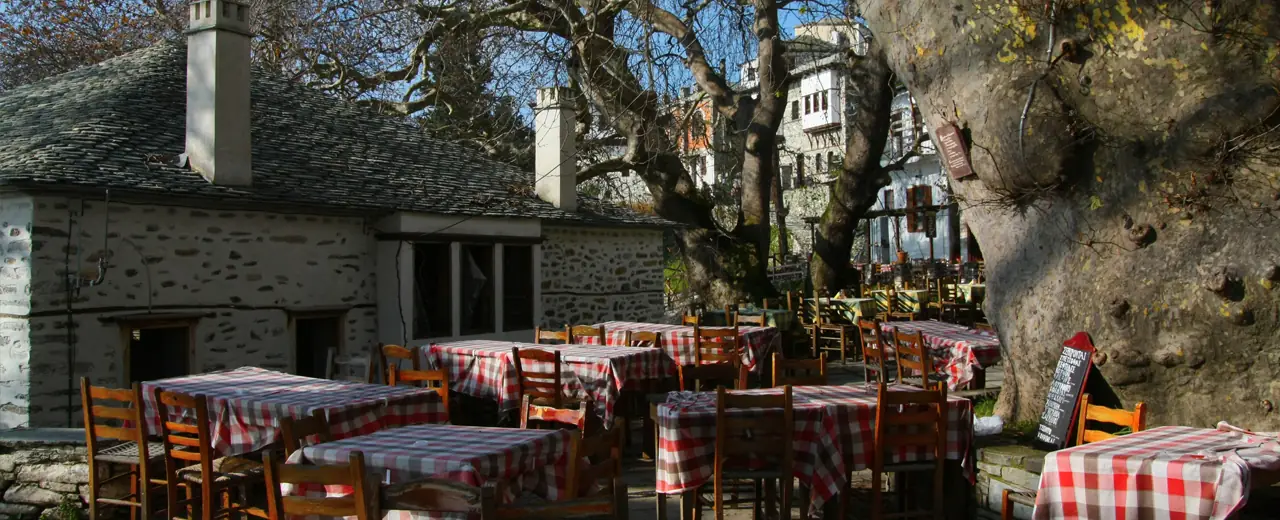
Many have named Makrinitsa as the “balcony of Pelion”, a walk to the village square through the famous “bazaar” will make you understand why. From there, one can enjoy panoramic views towards the Pagasetic gulf and the city of Volos. In the square you will also have the chance to cool under the shade offered by the century old platanus and enjoy your coffee or meal in the nearby shops. There’s also the marble fountain “Lions” or “Immortal water” constructed in 1809 with three bronze lion heads from where the water flows and also the coffee shop “Theofilos” with a preserved large wall painting of the famous painter Theofilos titled “Battle on the cold fountain” The paintings subject potrays the head warrior Katsantonis, resting after the battle in Tzoumerka and dates from 1910.The village also has famous churches such as the church of Agios Ioannis o Prodromos (St.John the Baptist), of 1792 located in the central square with reliefs from the folk sculptor Theodosiou. Impressive are also the church of Koimiseos tis Theotokou (The Assumption), the monastery of Agios Gerasimos and the chapel of Profitis (Prophet) Elias.
Finally, do not leave Makrinitsa without visiting probably the most important sight, the Pelion Museum of Folklore and History, hosted in the traditional mansion Topali. This three floor mansion was built in 1844 (The year is engraved in the entrance) and was given to the community by the Topali family in 1932 to host the folk museum and in 1985 was declared as a monument of historical importance. There you will have the opportunity to discover a great collection of more than 1500 artifacts derived from the everyday life in Pelion such as old household devices, tools, jewelery, books, folk wall paintings, community files, religious relics, traditional dresses and embroidery, old weapons and banners.
The village has charming districts such as Agiou Georgiou, Agias Triada with the distinctive tower of Axelon and Kakaouna, which is the highest district. At the lowest point of the village is Koukourava built after 1600 where you’ll see old cleaning houses and tanneries that flourished in the 19th century but today are abandoned. In Koukourava you can visit the imposing church of Agia Magdalene of 1737 and the defensive tower of Skotinioti, belonging today to the 7th Byzantine antiquities commission.
Makrinitsa has developed cultural traditions and every year the young locals revive the tradition of “Maides” during which joyful celebrations take place. Some dress as Zeimpekides, (police officers or army officers of the Ottoman Empire) deriving from ex-Islam Greece of Asia Minor and along with music instruments go around the houses singing and dancing. This tradition goes back in ancient time, on the loving of Dionysius and celebrates the birth of nature and life
The village also has a great market from where you can buy local products. Do a walk on the tourist shops and buy traditional sweets (preserved fruits in syrup), herbs, fruits, local wine and tsipouro as well as souvenirs, it is certain that your visit in Makrinitsa will be unforgettable.